Mosquito Repellent for Newborns
Mosquito season in Canada can stretch from late spring through early fall, leaving many new parents wondering how to protect their baby from itchy bites. While mosquito bites are often little more than an annoyance, newborns have delicate skin and developing immune systems, making prevention especially important.
The good news is that there are plenty of safe ways to help protect your baby from mosquitoes. For the youngest infants, physical barriers such as mosquito nets and protective clothing are the safest and most effective option. As babies get older, additional insect repellent options may become appropriate.
Here's what Canadian parents should know about keeping newborns safe during mosquito season.
Why mosquito protection matters for newborns
Mosquito bites can be uncomfortable for anyone, but babies may experience larger, itchier reactions than adults. Excessive scratching can also increase the risk of skin infections.
Although the risk remains low for most families, mosquitoes in parts of Canada can carry illnesses such as West Nile virus. Preventing bites is the best way to reduce this risk while helping your baby stay comfortable outdoors.
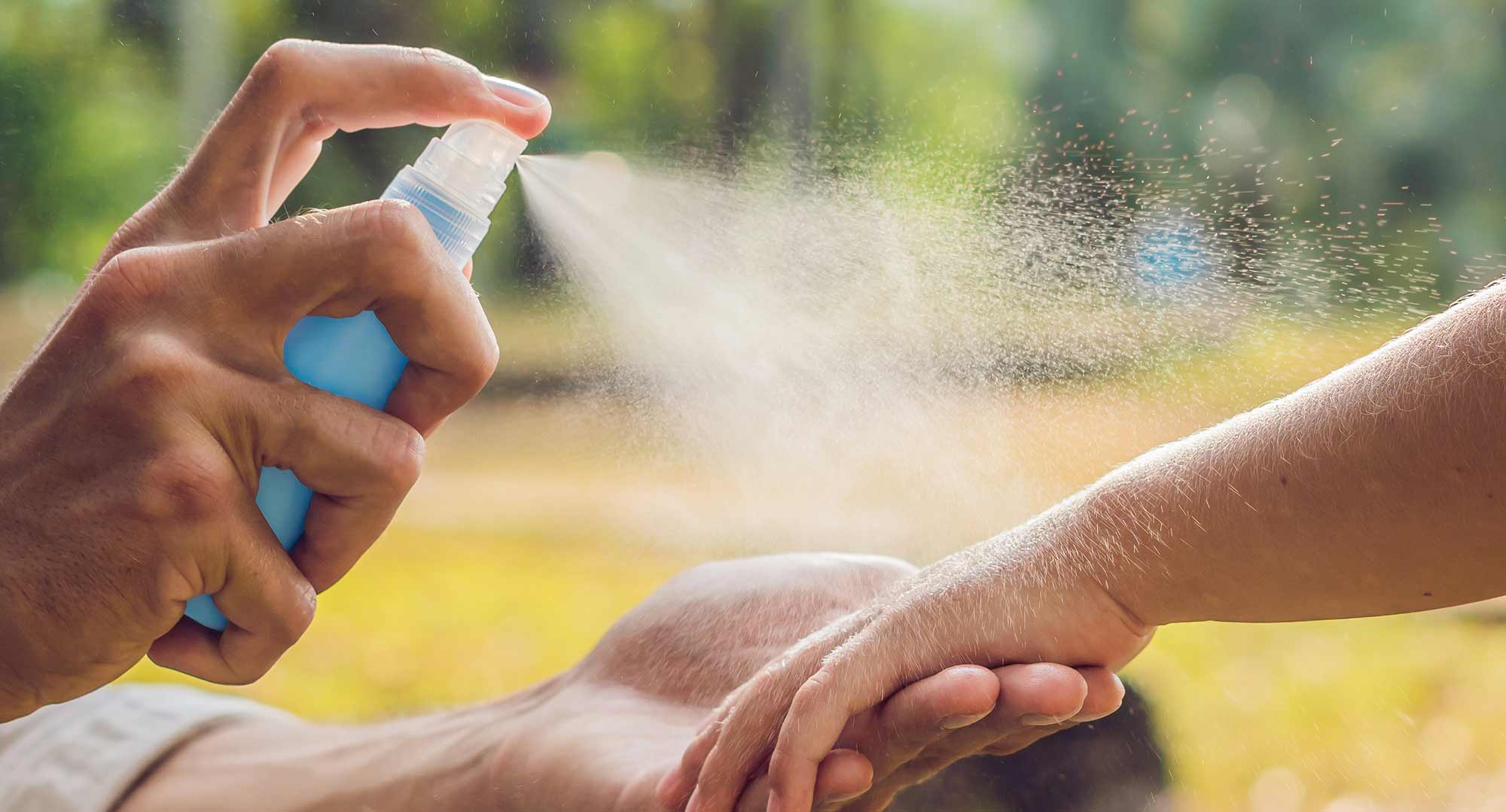
What's the safest way to protect a newborn?
For babies under 6 months of age, Health Canada recommends relying on physical protection rather than applying insect repellent directly to the skin.
Some of the best ways to protect young infants include:
- Cover strollers and infant carriers with a fine-mesh mosquito net.
- Dress your baby in lightweight, loose-fitting long sleeves and pants when temperatures allow.
- Keep windows and doors screened to prevent mosquitoes from entering your home.
- Avoid spending extended periods outdoors during dawn and dusk, when mosquitoes are often most active.
- Remove standing water around your property where mosquitoes can breed.
These simple precautions provide excellent protection without exposing delicate skin to topical products.
Mosquito protection by age
Parents often wonder when bug spray becomes an option. Here's a quick guide.
| Baby's age | Recommended protection |
|---|---|
| Under 6 months | Mosquito nets, protective clothing, screened areas and avoiding peak mosquito activity. |
| 6 months to 2 years | If needed, an approved insect repellent may be used according to Health Canada directions, along with physical protection. |
| Older children | Continue using protective clothing and follow the label directions for age-appropriate insect repellents. |
Always read and follow the instructions on the product label before using any insect repellent on children.
Should you use mosquito repellent on a newborn?
For newborns and young infants, physical barriers remain the safest choice.
If your baby is older and an insect repellent becomes appropriate, choose a product intended for children and use only the amount needed for protection. Apply it carefully to exposed skin while avoiding the eyes, mouth, hands and any broken or irritated skin.
Never allow young children to apply insect repellent themselves.
DEET vs. icaridin: What's the difference?
Two of the most common active ingredients found in insect repellents are DEET and icaridin.
Both are effective at preventing mosquito bites when used according to the label, but neither should replace simple physical protection for young infants.
Regardless of which product you choose, always:
- Follow the age recommendations on the label.
- Apply only to exposed skin or clothing as directed.
- Avoid the face and hands.
- Wash treated skin once you return indoors.
If you're unsure which product is best for your child, speak with your healthcare provider.
Are natural mosquito repellents safer?
Many parents look for "natural" alternatives, but natural doesn't automatically mean safer.
Products containing essential oils may still irritate a baby's sensitive skin, and some ingredients commonly found in natural repellents are not recommended for young children. Because newborn skin is especially delicate, mosquito nets, protective clothing and avoiding mosquito-heavy areas remain the safest approach.
If you're considering any plant-based product, check the label carefully and speak with your healthcare provider if you have questions.
Additional ways to keep mosquitoes away
Using several prevention strategies together often provides the best protection.
Consider these simple tips:
- Use mosquito nets over strollers, bassinets and playpens when outdoors.
- Keep your lawn trimmed and remove standing water from buckets, toys, flower pots and bird baths.
- Use fans when sitting outdoors, as mosquitoes have difficulty flying in moving air.
- Dress babies in light-coloured clothing, which may be less attractive to mosquitoes than darker colours.
- Plan outdoor walks earlier in the morning or later in the evening only if mosquito activity is low in your area.
How to safely use insect repellent on older babies
If your child is old enough to use an approved insect repellent:
- Apply it yourself rather than spraying it directly onto your child.
- Place a small amount on your hands before applying.
- Avoid the eyes, mouth and hands.
- Do not apply over cuts, eczema or irritated skin.
- Wash the treated skin with soap and water once protection is no longer needed.
More is not better. Use only the minimum amount required.
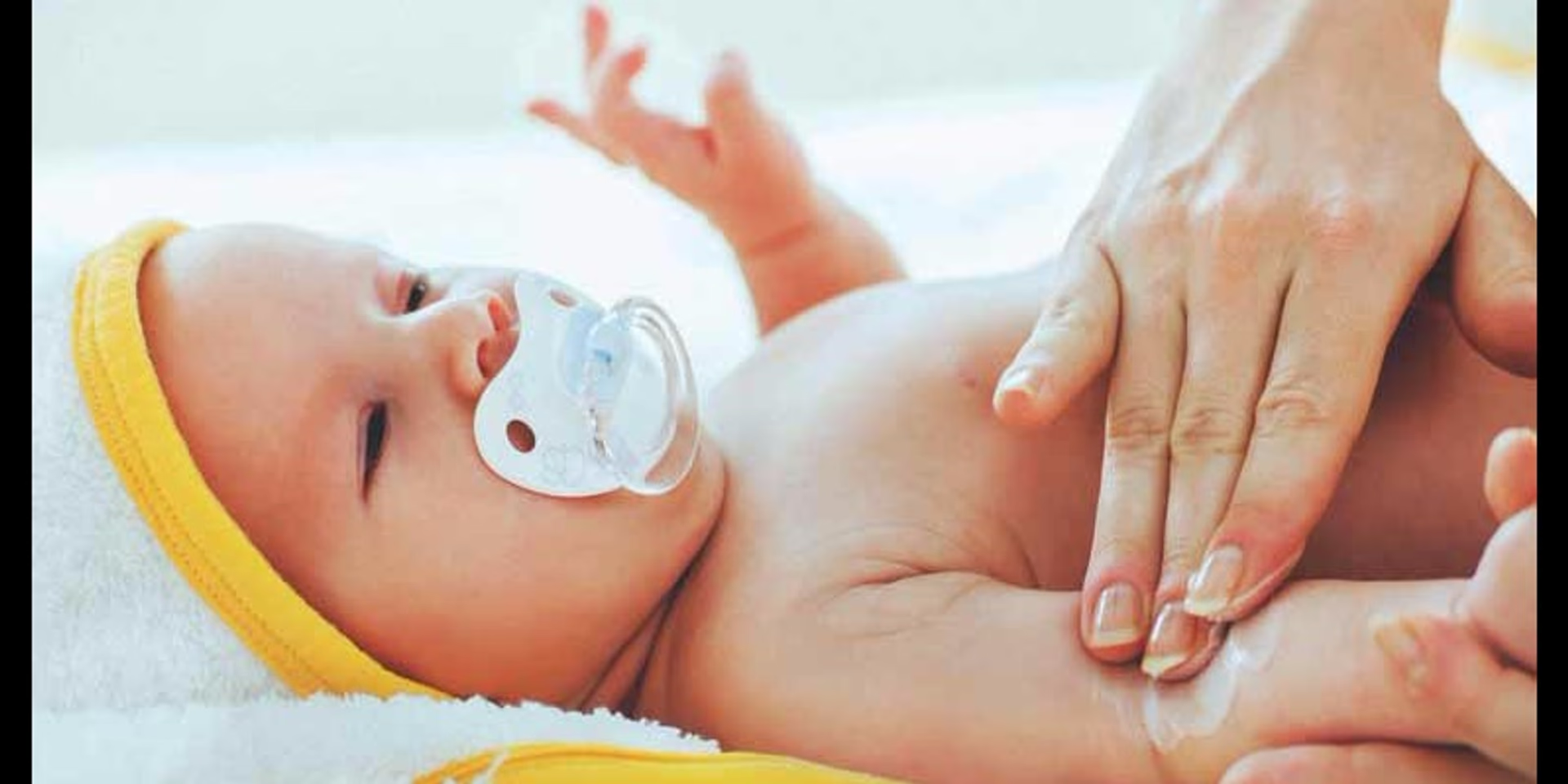
What should parents avoid?
Not every mosquito repellent is suitable for babies.
Avoid:
- Applying insect repellent to infants younger than recommended on the product label.
- Spraying repellent directly onto your baby's face.
- Applying repellent to hands that may go into the mouth.
- Using products that combine sunscreen and insect repellent.
- Applying insect repellent to broken or irritated skin.
- Assuming natural products are automatically safer for newborns.
When should you call a doctor?
Most mosquito bites improve on their own within a few days.
However, contact your healthcare provider if your baby:
- develops a fever after a mosquito bite,
- has swelling that continues to worsen,
- develops pus, increasing redness or warmth around the bite,
- seems unusually sleepy or difficult to wake,
- or shows signs of a severe allergic reaction, such as difficulty breathing or swelling of the face or lips. Call 911 immediately if this occurs.
Frequently asked questions
Can I use bug spray on my newborn?
For babies under 6 months, physical protection such as mosquito nets and protective clothing is the safest option. Speak with your healthcare provider if you have concerns about mosquito exposure.
Are mosquito bites dangerous for babies?
Most mosquito bites cause temporary itching and swelling. In rare cases, mosquitoes can spread illnesses such as West Nile virus, making prevention worthwhile during mosquito season.
Can I spray insect repellent on my baby's clothing instead?
Some insect repellents can be applied to clothing according to the product label. Always read and follow the manufacturer's instructions before use.
Do mosquito-repellent stickers and bracelets work?
Evidence supporting these products is limited. They should not replace proven protection methods such as mosquito nets, appropriate clothing and approved insect repellents when age-appropriate.
Are citronella candles safe around babies?
Citronella candles may help reduce mosquitoes in some outdoor settings, but they should not be relied upon as your baby's primary protection. Keep all candles well out of reach of children and never leave them unattended.
The bottom line
Protecting your newborn from mosquitoes doesn't have to be complicated. For young infants, simple measures like mosquito nets, lightweight clothing and avoiding peak mosquito hours provide excellent protection without exposing delicate skin to unnecessary products.
As your child grows, age-appropriate insect repellents may become another useful tool when used exactly as directed. Combining several prevention strategies is the best way to help your family enjoy the outdoors safely throughout Canada's mosquito season.