Top Summer Parenting Hacks: Essential Tips and Tricks for Families with Kids from Babies to Teens
Summer with kids can feel magical — but it can also feel exhausting, expensive, and overwhelming for parents trying to juggle routines, childcare, meals, screen time, and endless requests for snacks.
With rising camp costs, hotter temperatures across Canada, and more families looking for affordable ways to keep kids entertained at home, many parents are searching for practical ways to make summer easier in 2026.
The good news? A few simple parenting hacks can go a long way.
From keeping toddlers cool during heat waves to creating low-cost backyard fun, these summer parenting tips can help families reduce stress, stay organized, and actually enjoy the season a little more. Whether you have a baby, toddler, school-aged child, or a mix of all three, these realistic summer parenting hacks are designed for real Canadian families navigating busy summer days.
Why Summer Parenting Hacks Matter
Summer parenting hacks are practical strategies and shortcuts that help families make the most of the season while minimizing stress. With school out, unpredictable weather, and shifting daily rhythms, parents often search for "summer parenting tips," "summer activities for kids," or "how to keep kids entertained in summer." By implementing smart hacks—ranging from safety measures and meal planning to creative play ideas—you can enjoy more quality time, reduce meltdowns, and ensure everyone stays safe and happy.

Infant and Toddler Summer Hacks (0–3 Years)
1. Cooling and Comfort Hacks
- Use portable shade & cooling gear: Invest in a lightweight, foldable sunshade or portable umbrella for stroller outings. Keep a small misting fan or spray bottle on hand for cooling down a sweaty toddler.
- Dress in breathable fabrics: Opt for loose-fitting, moisture-wicking cotton or bamboo blend onesies and romper sets. Avoid overdressing; layers can trap heat.
- Infant-safe sunscreen and hats: For babies older than 6 months, use a broad-spectrum, mineral-based sunscreen (SPF 30+) and a wide-brimmed hat. For younger infants, rely on shade and sun-protective clothing.
- Cool-down bath routines: After outdoor play, offer a lukewarm splash bath or water play in a small tub. This doubles as sensory play and temperature regulation.
2. Nap-Friendly Outings
- Sync outings with nap times: Plan morning or late-afternoon park visits when temperatures are milder. Use white-noise apps or portable sound machines to help infants nap on the go.
- Mobile nap space: Keep a lightweight travel crib or pack 'n play in your car for unexpected naps during day trips.
3. Simple Water Play at Home
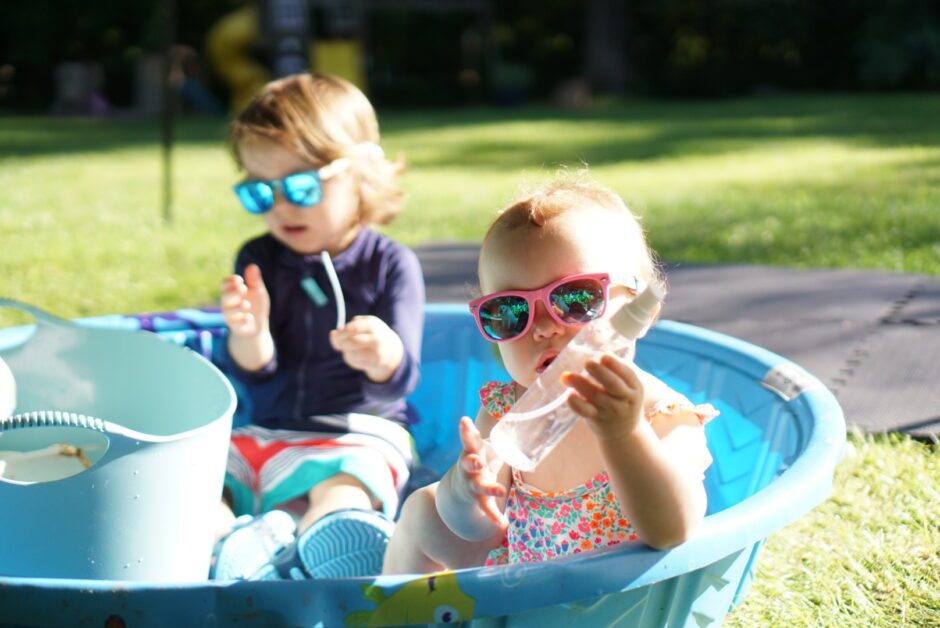
- DIY water table: Use a shallow plastic bin with a few inches of water and toddler-safe toys (measuring cups, rubber ducks) on your balcony or backyard. Always supervise within arm's reach.
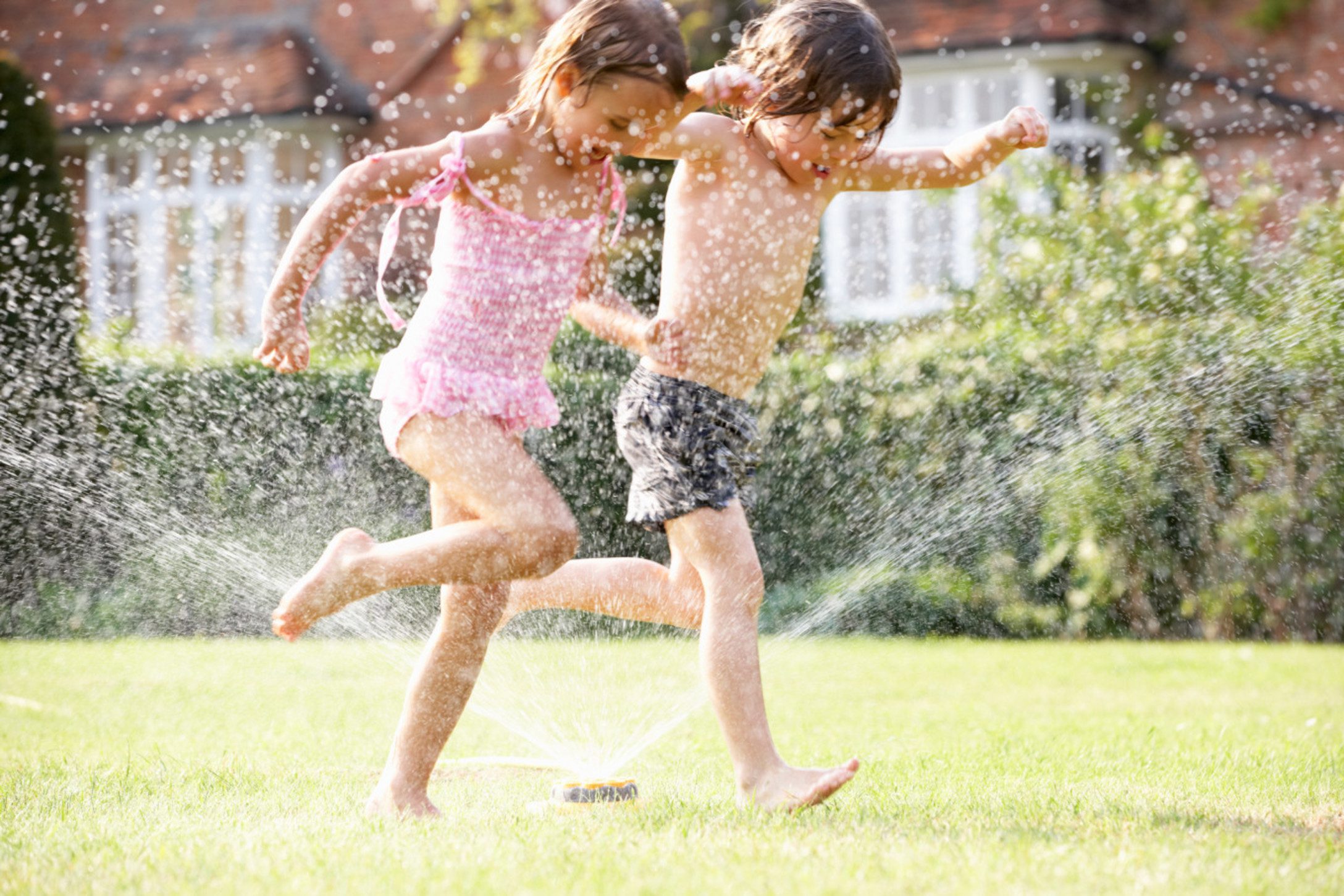
- Sprinkler play: A gentle sprinkler on the lawn can delight toddlers. Set up on soft grass and ensure non-slip water shoes.
- Splash pad visits: Many communities offer free splash pads—ideal for toddlers' water exploration. Bring extra towels and change of clothes.
4. Snack & Hydration Hacks
- Frozen fruit pops: Blend watermelon or berries, freeze in mold trays or small cups with popsicle sticks. Healthy, hydrating, and toddler-approved.
- Snack stations: Create a low shelf bin with easy-to-grab snacks (cut fruit, crackers) so toddlers can self-serve under supervision, fostering independence.
- Hydration reminders: Use colorful, toddler-sized water bottles with spouts. Offer water regularly, especially after active play.
5. Sensory and Developmental Play
- Outdoor sensory bins: Fill a shallow bin with sand or water plus spoons and toys. Encourage digging and pouring.
- Nature scavenger hunts: For older toddlers, simple hunts like "find a leaf" or "collect a pebble" during walks foster curiosity.
- Quiet indoor activities for hot days: Stock up on magnetic drawing boards or simple puzzles to rotate for interest.
Preschool and Early School-Age Hacks (3–7 Years)
1. Structured Yet Flexible Daily Plans
- Summer "activity calendar": Create a visible weekly chart with themes (e.g., "Science Monday," "Water Wednesday," "Art Friday") to balance active and calm days.
- Mix indoor/outdoor: On very hot or rainy days, alternate between indoor crafts or reading and outdoor play.
2. Water Fun and Swim Prep
- Enroll in parent-and-child swim lessons early: Building water confidence reduces anxiety and improves safety.
- Inflatable kiddie pools: A small backyard pool can occupy preschoolers for hours. Place on level ground, supervise constantly, and empty when not in use.
- DIY water obstacle course: Use sprinklers, shallow tubs, and slip-resistant mats for backyard water races and sensory play.
3. Educational & Creative Summer Learning
- Nature journaling: Provide notebooks and crayons for children to draw flowers, insects, or clouds—combining literacy with outdoor exploration.
- DIY science experiments: Simple projects like baking soda volcanoes or homemade slime (supervised) keep young minds engaged.
- Library summer reading programs: Many Canadian libraries offer free reading challenges with small rewards.
4. Meal & Snack Strategies
- Batch-prep lunchbox components: Pre-cut fruits, veggies, and sandwiches frozen then thawed for morning—reduces morning rush.
- Portable picnic kits: Keep reusable snack containers stocked for spontaneous park or beach picnics.
- Cool snacks: Yogurt parfaits with granola, frozen yogurt bites—beat heat and encourage healthy eating.
5. Screen-Time Balance
- Themed screen days: Limit screen time by allocating short "educational show" blocks tied to learning (e.g., nature documentaries followed by outdoor nature hunt).
- Interactive digital activities: Use apps that prompt physical movement or creativity rather than passive viewing.
- Tech swap: For every 20 minutes of screen time, require 20 minutes of active play or reading.
School-Age Child Hacks (8–12 Years)
1. Encourage Independence with Safety Boundaries
- "Explore within limits": Let children ride bikes or walk to a friend's house in daylight within a known radius. Equip them with a simple check-in routine.
- Basic first-aid kit for kids: Teach older children how to use band-aids, apply antiseptic wipes, and when to seek adult help.
2. Active Outdoor Challenges
- Backyard obstacle courses: Use cones, ropes, and pool noodles to create challenges fostering gross motor skills.
- Geocaching or nature hikes: Introduce inexpensive GPS apps or maps to hunt for local geocaches; combine exercise and technology.
- Sports sampler: Weekly "try-it" sessions—soccer, badminton, frisbee—keep kids active and help discover new interests.
3. Skill-Building Projects
- Gardening corner: Assign each child a small planter to grow herbs or vegetables. They learn responsibility and basic science.
- DIY crafts & upcycling: Encourage repurposing household items into art projects—teaches creativity and environmental awareness.
- Cooking lessons: Involve school-age children in simple meal prep—washing veggies, mixing ingredients, reading recipes. Boosts life skills and healthy habits.
4. Social Connections & Playdates
- Organized group activities: Coordinate small group outings like bike rides to local pool or park. Parents can rotate supervision.
- Virtual pen pals or video chats: For friends or relatives afar, help children write letters or have supervised video calls, blending social skills and tech savvy.
5. Screen-Time Autonomy
- Screen-time contracts: Co-create guidelines for gaming or social media use, balancing online and offline activities.
- Educational gaming: Recommend coding apps or puzzle-based games that stimulate thinking.
- Digital detox days: Schedule device-free days with alternative activities like board games or family hikes.
Tween and Teen Summer Hacks (13–18 Years)
1. Fostering Responsibility and Autonomy
- Summer job or volunteering: Encourage teenagers to find part-time work or volunteer in the community. Teaches time management, social skills, and work ethic.
- Chore-and-reward systems: Set clear expectations for household contributions in exchange for allowances or privileges.
- Personal projects: Support independent initiatives—learning an instrument, launching a small online business, creative writing, or coding projects.
2. Social & Emotional Well-Being
- Open communication: Maintain regular check-ins about friendships, mental health, and summer plans.
- Screen and social media balance: Discuss healthy social media habits; suggest digital breaks, and emphasize in-person connections.
- Mental health resources: Share information on local youth counselling or peer support groups if stress or anxiety arises.
3. Active and Safe Adventures
- Road trip planning skills: Teach teens how to plan a family road trip: mapping routes, budgeting for gas and food, packing essentials.
- Outdoor survival basics: Basic orienteering, camping safety, knot-tying, and Leave No Trace principles—ideal for nature-loving teens.
- Safe driving discussions: If approaching driving age, discuss water-related travel safety (e.g., boating rules) and general summer driving tips.
4. Academic and Enrichment Opportunities
- Summer learning without burnout: Encourage light academic activities—reading lists, language apps, or online courses related to interests (e.g., photography, coding).
- Skill-building workshops: Many communities and online platforms offer free or low-cost workshops in arts, STEM, or entrepreneurship.
- Goal-setting sessions: Help teens set realistic summer goals—fitness milestones, creative outputs, or volunteer hours—and track progress.
5. Budgeting and Money Management
- Savings challenges: Teach teens to save part of their earnings or allowance for a goal (e.g., gadget, trip).
- Entrepreneurial projects: Lemonade stands, lawn mowing, pet sitting—small ventures teach responsibility and financial literacy.
- Coupon and deal-finding: Show older kids how to find deals for summer outings or budget-friendly travel—an extension of money-saving habits.
Summer Safety Hacks for All Ages
1. Hydration and Sun Protection
- Carry refillable water bottles: Encourage regular sips; add fruit slices for flavor. Use insulated bottles to keep water cool.
- Apply and reapply sunscreen: Broad-spectrum SPF 30+; set reminders. Include UV-protective swimwear or rash guards.
- Protective gear: Hats, sunglasses with UV protection, lightweight long-sleeve cover-ups for sensitive skin.
2. Water Safety Basics
- Constant supervision: Especially for babies and toddlers around any water.
- Certified life jackets: For boating or open-water swims. Choose Coast Guard/Transport Canada-approved PFDs in bright colors.
- Avoid relying on floaties for non-swimmers: Use life jackets instead.
- Teach swimming skills early: Enroll in swim lessons appropriate for age.
- Designate a water watcher: Rotate responsible adult to supervise pool or waterfront activities without distractions.
3. Insect and Heat Precautions
- Bug repellent strategies: Use age-appropriate, DEET-free or low-DEET repellents; consider clothing treated with permethrin for older kids.
- Heat alert planning: Schedule outdoor play during cooler parts of the day; create indoor alternatives on extreme heat days.
- First-aid readiness: Keep first-aid kit stocked with treatments for insect bites, sunburn relief items (aloe vera gel), and hydration solutions (electrolyte powders safe for kids).
4. Outdoor Activity Safety
- Helmet and protective gear: For biking, skating, or scootering.
- Trail and park awareness: Teach children to stay on marked trails, carry identification cards with parent contact info, and know local emergency numbers.
- Allergy preparedness: If severe allergies exist (e.g., bee stings), ensure epinephrine auto-injector is accessible and caregivers know how to use it.
Budget-Friendly Summer Activities
- Community events & free festivals: Many Canadian towns host free outdoor concerts, splash pad openings, library events, or cultural festivals—check local listings.
- Nature walks and park scavenger hunts: Low-cost, educational, and adaptable for all ages—use printable checklists or apps.
- DIY backyard campout: Pitch a tent in the yard, roast marshmallows over a safe fire pit or use an indoor "camp" setup on rainy nights.
- Library and museum passes: Use free or discounted family passes from local libraries or community centres.
- Craft swaps and toy libraries: Organize or join parent groups to exchange gently used toys, books, and craft materials, refreshing play options at no cost.
- Gardening projects: Growing vegetables or flowers in containers teaches responsibility and yields produce or blooms for minimal expense.
Meal Prep & Nutrition Hacks for Summer
- Batch cooking & freezing: Prepare large batches of healthy meals (soups, stews, pasta sauces) and freeze portions; easy for busy summer days.
- No-cook or minimal-cook meals: Cold pasta salads, wraps with fresh veggies and proteins, smoothie bowls—keep the kitchen cool.
- Portable snack packs: Pre-portion nuts, dried fruit, cheese cubes, or veggie sticks in reusable containers for outings.
- Involve kids in meal prep: Age-appropriate tasks: washing produce, stirring mixes, assembling simple sandwiches; builds skills and reduces parent workload.
- Hydrating treats: Homemade popsicles (fruit purees or yogurt), chilled fruit salad, watermelon slices—all help with hydration and curb sweet cravings.
Managing Screen Time and Digital Balance
- Set clear screen-time boundaries: Establish daily limits and tech-free zones/times (e.g., no devices during meals or before bedtime).
- Encourage active screen use: Choose interactive or educational apps that involve physical movement (dance games, exercise apps for kids) or creative projects (video editing, digital art).
- Schedule offline activities first: Use a "screen token" system: earn screen time through chores, reading, or physical activity.
- Family tech agreements: Co-create rules with older children: acceptable content, social media guidelines, and consequences for overuse.
- Digital detox days: Plan occasional "no-screen" days focused on outdoor adventures, crafts, or board games to reset habits.
Maintaining Routines and Sleep Schedules
- Consistent wake/sleep windows: Even during summer breaks, aim to keep wake-up and bedtime within 1 hour of school-year routines to prevent overtiredness.
- Wind-down rituals: Cooling down before bed with quiet reading or relaxing music; avoid screens at least 30–60 minutes before sleep.
- Flexible structure: Plan morning activities but leave afternoons free for rest or unstructured play to balance stimulation and downtime.
- Outdoor morning play: Use cooler morning hours for active play or chores; reserve late afternoon for quieter indoor activities as temperatures peak.
- Adjust gradually for travel: Before a trip across time zones, shift sleep times by small increments to minimize jet lag for children.
Frequently Asked Questions About Summer Parenting
How do you keep kids cool during extreme summer heat?
During hot summer days, it's important to encourage frequent water breaks, lightweight clothing, and shaded outdoor play whenever possible. Many Canadian families also use splash pads, kiddie pools, cooling towels, popsicles, and indoor quiet time during the hottest part of the afternoon. For babies and toddlers, avoiding direct midday sun and keeping sleep spaces cool can help prevent overheating.
What are some cheap summer activities for kids in Canada?
Affordable summer activities can include library programs, splash pads, local festivals, backyard water play, scavenger hunts, nature walks, picnics, sidewalk chalk, bike rides, and community events. Many Canadian cities also offer free family movie nights, outdoor concerts, and children's programming during the summer months.
How can parents reduce screen time during summer break?
Creating a loose daily routine can help reduce excessive screen time during the summer. Many families find success by balancing outdoor play, crafts, reading time, quiet activities, and limited scheduled screen time instead of allowing unlimited device access throughout the day.
Are splash pads safe for toddlers?
Splash pads are generally considered a fun and safe summer activity when children are supervised closely. Parents should watch for slippery surfaces, encourage bathroom breaks, avoid swallowing water, and consider bringing water shoes to help prevent falls.
What should parents pack for summer outings with kids?
A well-packed summer bag often includes sunscreen, hats, water bottles, snacks, wipes, extra clothes, towels, bug spray, a small first aid kit, and portable entertainment like colouring books or small toys. Preparing ahead of time can make outings much less stressful.
How much water should kids drink during summer?
Children typically need more fluids during warm weather and outdoor play. Water should be offered frequently throughout the day, especially for toddlers and younger children who may not recognize thirst early. Fruits with high water content, popsicles, and smoothies can also help support hydration.
What time of day is safest for outdoor play during a heat wave?
During extreme heat, mornings and evenings are often safer and more comfortable for outdoor activities. Many parents choose indoor activities or shaded water play during the hottest afternoon hours, especially when humidex values are high or air quality warnings are in effect.
Conclusion
Summer offers a wealth of opportunities for family bonding, outdoor exploration, and skill-building—but it also requires deliberate planning and safety measures. By applying these summer parenting hacks, you can keep infants, toddlers, school-age children, tweens, and teens engaged, safe, and thriving all season long.
- Infants & Toddlers: Prioritize cooling, shade, simple water play, and nap-friendly outings.
- Preschoolers & Early School-Age: Balance structured activities with free play, early swim lessons, and creative projects.
- School-Age Kids: Encourage independence through safe outdoor challenges, skill-building hobbies, and social connections.
- Tweens & Teens: Foster responsibility via jobs or projects, support mental health, and maintain digital balance.
The Ultimate Summer Survival Checklist for Parents
Before heading out this summer, keep these essentials nearby to make family outings easier, safer, and less stressful:
- Refillable water bottles
- Sunscreen
- Hats and sunglasses
- Lightweight change of clothes
- Swimsuits and towels
- Healthy snacks
- Baby wipes and hand sanitizer
- Bug spray
- Cooling towels or portable fan
- Small first aid kit
- Portable phone charger
- Sand toys or outdoor toys
- Rain gear for unpredictable weather
- Extra diapers or pull-ups
- Blanket for picnics or park visits
- Quiet activities for restaurants or waiting rooms
- Zip-top bags for wet clothes
- Stroller shade or sun cover
- Portable potty or travel toilet seat
- Emergency contact information
Summer parenting doesn't have to mean constant stress or expensive outings every day. A little preparation, flexible routines, and simple activities can help make the season more enjoyable for both kids and parents.
Ready to make this summer your best yet? Start by bookmarking this guide and creating your own family summer action plan. Share your favourite hacks with our community, and check out related CanadianParent.ca resources: