What No One Tells You About Parenting School-Aged Kids in Canada
What No One Tells You About Parenting School-Aged Kids
When your child starts kindergarten, it feels like you've made it through the hardest years. The diapers are gone. They can communicate clearly. They sleep through the night (mostly).
But here's the truth: parenting school-aged kids brings a whole new set of challenges that no one really prepares you for.
From friendship drama to homework meltdowns, this stage is emotional, complex, and surprisingly intense. If you're raising elementary-aged children in Canada, here's what no one tells you.
1. The Emotional Drama Gets Bigger
Toddlers melt down over the wrong coloured cup. School-aged kids melt down over social rejection, comparison, and embarrassment.
By age 6 or 7, children become much more aware of social hierarchies. They notice who gets invited to birthday parties. They compare clothing brands. They worry about fitting in.
You may hear things like:
- "They said I'm not their best friend anymore."
- "Everyone else has one."
- "I'm the worst in my class."
These feelings are real and heavy for them. The problems may sound small to adults, but socially, they feel enormous.
2. Friendship Issues Can Feel Like Middle School — in Grade 2
Many parents are shocked at how early friendship drama begins. By Grade 1 or 2, you may see:
- Exclusion
- "Best friend" shifts
- Group politics
- Hurt feelings over recess dynamics
Girls and boys can both experience this, though it may show up differently.
One hard truth? You can't fix it for them. You can coach them, role-play conversations, and validate their feelings — but you're no longer managing every social interaction like you did during playdates.
This is where emotional resilience starts building.

3. Homework Isn't Just About Academics
In many Canadian provinces, formal homework starts around Grade 1 or 2. Even if it's minimal, it introduces something new: performance pressure.
You may see:
- Avoidance
- Perfectionism
- Tears over "getting it wrong"
- Frustration with reading levels or math facts
It's rarely about the worksheet. It's about confidence.
Parents often feel caught between wanting to help and wanting their child to learn independence. It's a balancing act that evolves every year.
4. They Start Keeping Things From You
This one stings.
School-aged kids begin developing privacy. They might say:
- "It's nothing."
- "I don't want to talk about it."
- "You wouldn't understand."
It doesn't mean you're losing them. It means they're developing autonomy.
The key is creating small daily connection points — car rides, bedtime chats, one-on-one errands — so when something big happens, they feel safe coming to you.
5. You'll Question Your Parenting More Than Ever
When your baby cried, the problem was usually obvious: hunger, sleep, diaper.
With school-aged kids, the problems are more abstract:
- Anxiety
- Social struggles
- Academic gaps
- Behaviour shifts
You may find yourself wondering:
- Is this normal?
- Is it a phase?
- Should I intervene?
- Am I doing enough?
The truth is, most parents of elementary-aged children feel this way. This stage requires a lot more invisible emotional labour than people realize.
6. Extracurricular Activities Become a Full-Time Job
Between hockey, dance, gymnastics, swimming lessons, and birthday parties, family calendars fill up quickly.
In Canada especially, competitive sports can become intense early. Ice time at 7:00 a.m. on Saturdays? Not uncommon.
You may feel pressure to "keep up" — but not every child needs five activities. Often, one or two consistent commitments are more than enough.

7. Sleep Still Matters — A Lot
Many parents assume sleep struggles end after toddlerhood. But school-aged kids still need 9–11 hours of sleep per night.
Late nights, screen time, and busy schedules can quietly chip away at rest — and tired kids are more emotional, less resilient, and more prone to conflict.
If behaviour suddenly shifts, one of the first things to check is sleep.
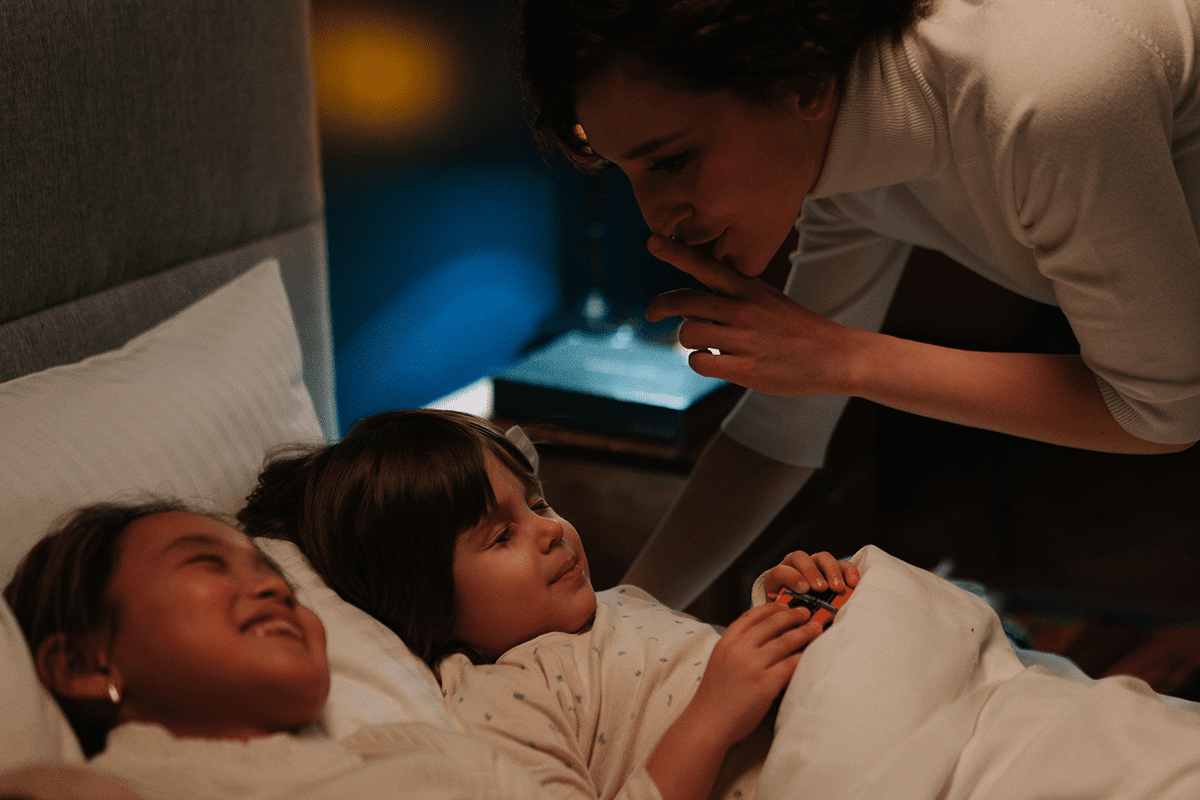
8. You Become Their Safe Place for Big Feelings
At school, kids hold it together. They follow rules. They manage expectations.
Then they come home and fall apart.
This is often called "after-school restraint collapse." It's common in kids ages 5–10.
It can look like:
- Irritability
- Crying
- Arguing
- Emotional outbursts
It's not a sign of failure. It's a sign that home is their safe place.
9. Comparison Culture Starts Early
Even in elementary school, kids compare:
- Clothes
- Technology
- Houses
- Vacations
- Lunches
Social media may not be in the picture yet, but awareness is.
This is often when parents begin intentionally teaching:
- Gratitude
- Financial literacy
- Family values
- Boundaries around "want vs. need"
These conversations matter more than we realize.
10. It's Quieter — But Not Easier
Parenting school-aged kids doesn't look chaotic from the outside. You're not carrying diaper bags or pushing strollers everywhere.
But emotionally, this stage can be just as demanding.
You're shaping:
- Self-esteem
- Social skills
- Academic identity
- Emotional regulation
- Independence
And much of that work happens quietly, behind closed doors.
The Part No One Warns You About
You'll miss the little years — even while feeling stretched thin in the big kid years.
There's something tender about watching your child walk into school with a backpack that suddenly looks too small for them.
You're raising a human who is forming their own identity. And that's both beautiful and terrifying.
If you're in this stage right now, you're not alone. Parenting school-aged kids is complex, layered, and emotional in ways baby books rarely cover.
But it's also filled with deep conversations, inside jokes, and the privilege of watching your child become who they are meant to be.
And that's something worth talking about.
Final Thoughts
Parenting school-aged kids may not come with diaper bags and midnight feedings, but it brings its own set of emotional highs and challenges. This stage asks more of us mentally and emotionally — and often, it happens quietly behind the scenes.
If you're feeling stretched, second-guessing yourself, or wondering whether what your child is going through is "normal," you're not alone. So many parents in our community are navigating the same friendship struggles, homework battles, busy schedules, and growing independence.
If you're looking for more support and real-life parenting conversations, you might also find these helpful:
- Our article on finding affordable childcare in Canada for families juggling school schedules and work
- Our article on navigating screen time challenges in children
- And our roundup of baby contests and giveaways in Canada, because sometimes a little win makes the week better
Parenting evolves — and so does our community. Whether you have a newborn, a preschooler, or a child in elementary school, we're here to share practical support, honest conversations, and a few exciting giveaways along the way.
Because every stage of motherhood deserves attention — not just the early years.
More Trusted Resources for School-Aged Parenting Support
If you'd like evidence-based guidance alongside community support, these Canadian organizations offer reliable information:
- Canadian Paediatric Society – Provides research-backed parenting guidance on child development, mental health, sleep, and school readiness.
- Public Health Agency of Canada – Offers national resources on child development milestones, emotional well-being, and family health.
These resources can help answer bigger developmental questions while you continue navigating the everyday realities of parenting.