25 Fun & Easy Indoor Winter Activities for Babies and Toddlers
Canadian winters can be long, icy, and full of snow days
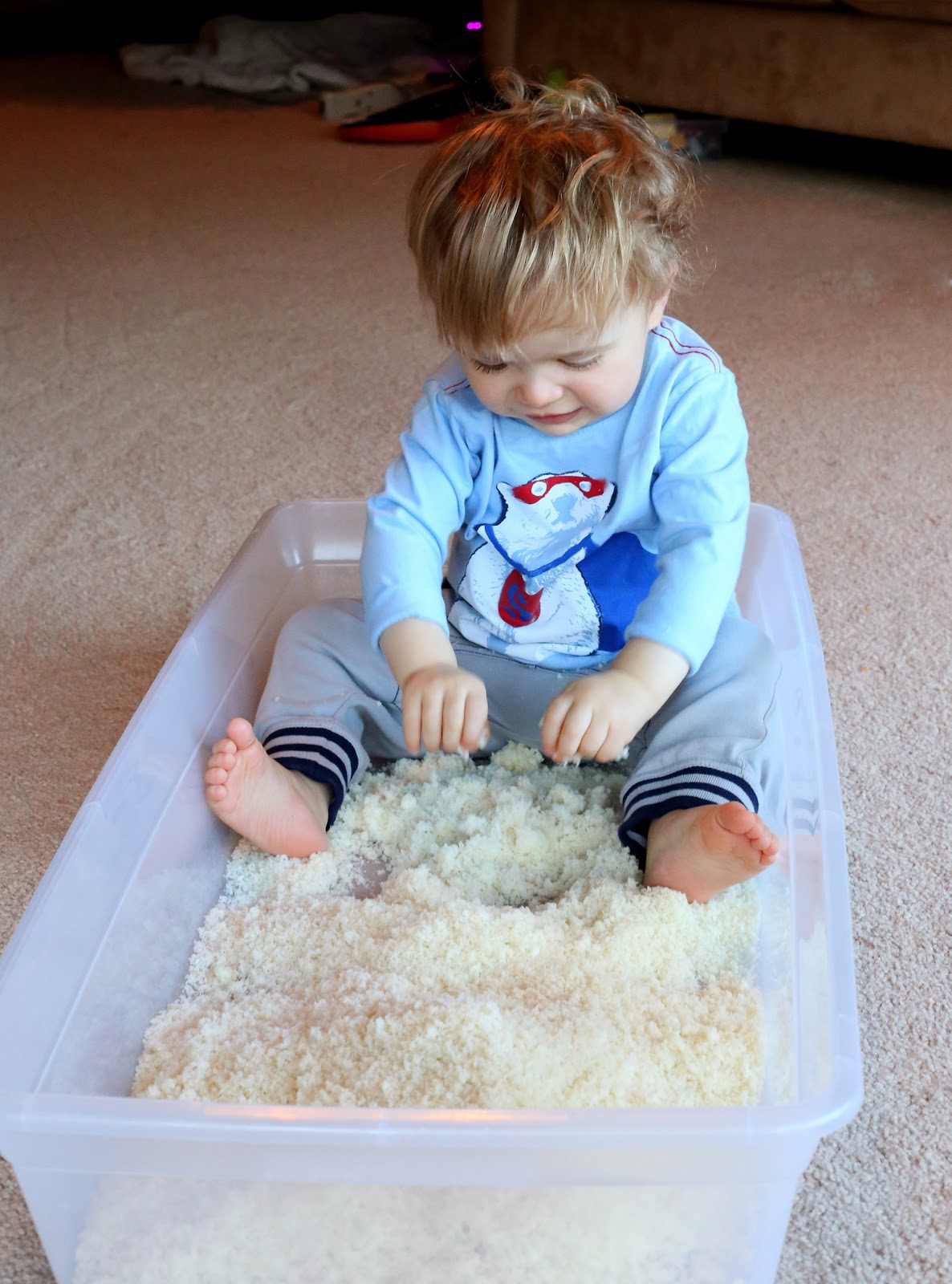
Especially when you’re juggling naps, feeds, and toddler energy bursts. But staying inside doesn’t have to mean screen time overload. With the right mix of indoor winter activities for babies and toddlers, you can turn stormy days into magical bonding moments packed with sensory exploration and learning.
This Canada-focused guide delivers 25 low-prep ideas that nurture fine and gross motor skills, language development, and curiosity—all with materials you already own. Bookmark it on your phone so you can spark spontaneous play whenever the weather takes a frosty turn.
25 Fun & Easy Indoor Winter Activities for Babies & Toddlers
Pick and choose based on your child’s age, schedule, and energy level. Most activities can be set up in under five minutes and adjusted for siblings of different ages.
1. Winter Sensory Bin (Snow Optional!)
Fill a shallow bin with cotton balls, pom-poms, plastic snowflakes, and measuring cups. Babies enjoy soft textures; toddlers can practice scooping or using child-safe tongs.
2. Indoor Snow Play
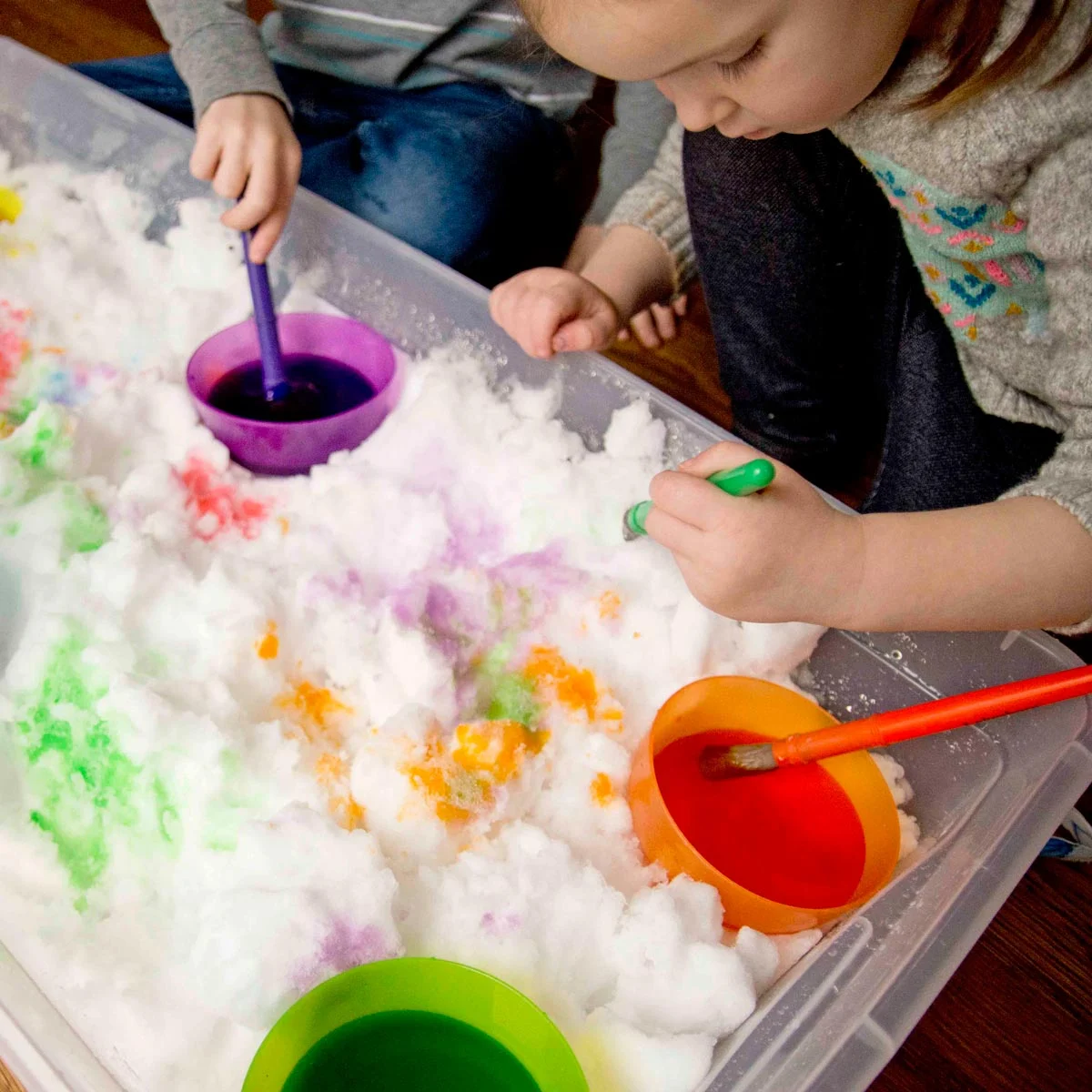
Scoop clean snow into a tub and add spoons, toy trucks, or cups. Babies feel different temperatures, while toddlers love watching snow melt.
3. Warm Water Play
Swap snow for warm water. Drop in floating toys, plastic winter animals, and measuring cups for a soothing sensory session.
4. Blanket Fort Winter Hideout
Layer blankets, pillows, and battery-operated fairy lights to build a cozy nook for reading, play, or quiet cuddles.
5. Indoor Obstacle Course
Use couch cushions, painter’s tape, and pillows to create tunnels, balance lines, or mini hurdles that encourage crawling and jumping.
6. Sensory Bottles
Fill empty water bottles with glitter, beads, or coloured water. Babies track the movement, while toddlers shake and roll them.
7. DIY Baby Gym
Hang lightweight toys from a low arch or broomstick secured between chairs. Great for reaching, grasping, and kicking practice.
8. Winter Play Dough Fun
Offer white or blue play dough with snowflake cutters, rolling pins, or cookie stamps for imaginative play.
9. Soft Ball Toss
Turn a laundry basket into a mini hoop for toddlers. Babies can roll plush balls back and forth for tummy-time fun.
10. Bubble Party
Blow bubbles indoors and let little ones chase, pop, or crawl after them—instant giggles and gross motor work.
11. Indoor “Ice Skating” on Towels
Have toddlers slide around on towels wearing socks. It’s silly, safe, and burns plenty of energy.
12. Nature Basket
Collect pinecones, smooth sticks, and leaves during a walk, then explore textures inside. Always supervise to prevent mouthing.
13. Frozen Pom-Poms
Freeze pom-poms in an ice cube tray and let toddlers “rescue” them using warm water, spoons, or tongs.
14. Toddler Yoga
Try gentle poses (butterfly, cat-cow, or stretch-and-reach) to build body awareness and calm wiggly energy.
15. Paper Tearing Station
Tape large sheets of paper to a table or floor and let toddlers tear, crinkle, and explore the sounds and textures.
16. Music & Dance Party
Play favourite songs, add scarves or ribbons, and dance together for rhythm practice and joyful movement.
17. Indoor “Snowball” Fight
Use rolled socks, pom-poms, or plush balls. Set simple rules (no faces, gentle tosses) and enjoy the laughter.
18. Sensory Crawl Path
Line up blankets, bubble wrap, yoga mats, or pillows. Babies crawl over different textures while toddlers stomp along.
19. Edible Finger Paint
Mix yogurt with fruit puree or natural food colouring. Secure paper to a tray and let babies smear safely.
20. Sticker Play
Provide stickers and paper, boxes, or windows. Peeling and sticking boosts fine-motor control and hand-eye coordination.
21. Story Hour with Winter Books
Snuggle up with Canadian classics or bilingual stories. Reading daily supports early literacy and family bonding.
22. Pom-Pom Push Toy
Cut holes in a plastic lid and let toddlers push pom-poms through. It’s quietly mesmerizing and great for focus.
23. Indoor Scavenger Hunt
Give clues like “find something blue” or “bring me something soft.” This builds vocabulary and problem-solving.
24. Baking Together
Toddlers can pour, stir, and dump ingredients while learning counting and sensory skills. Try muffins or banana bread.
25. Souvenir Handprint Crafts
Use paint or salt dough to capture handprints for keepsakes or gifts. Decorate with glitter, sequins, or ribbon.
Tips for Indoor Winter Play
- Keep it simple: Babies and toddlers thrive on repetition, so rotate favourite setups instead of reinventing the wheel.
- Rotate toys weekly: Store half the toys in bins and swap them out to keep old favourites feeling new.
- Follow their lead: When your child is deeply engaged, let the moment last. If they lose interest, pause and revisit later.

Helpful Resources for Canadian Parents
Need extra inspiration or budget-friendly tips? Check out these reader favourites:
- Free Baby Samples in Canada
- 10 Smart Ways New Canadian Parents Can Save Money in Baby’s First Year
- Baby Contests in Canada: Enter to Win Big
- Finding Affordable Childcare in Canada
Indoor Winter Activities FAQ
How long should an indoor winter activity last for babies or toddlers?
Plan for short bursts of 5–15 minutes and watch your child’s cues. If they stay engaged, extend the activity; if they wander off, wrap it up and try again later.
What supplies do I need for winter sensory play?
Common items include storage bins, cotton balls, pom-poms, measuring cups, spoons, scarves, and household recyclables. Add seasonal touches like pinecones or snowflakes when available.
How can I keep indoor play areas safe?
Secure blankets or forts so they don’t collapse, supervise any activity with small parts or water, and clear the floor before running or dancing games.